




The View | In Beijing, the US and China tiptoed around tech and critical minerals
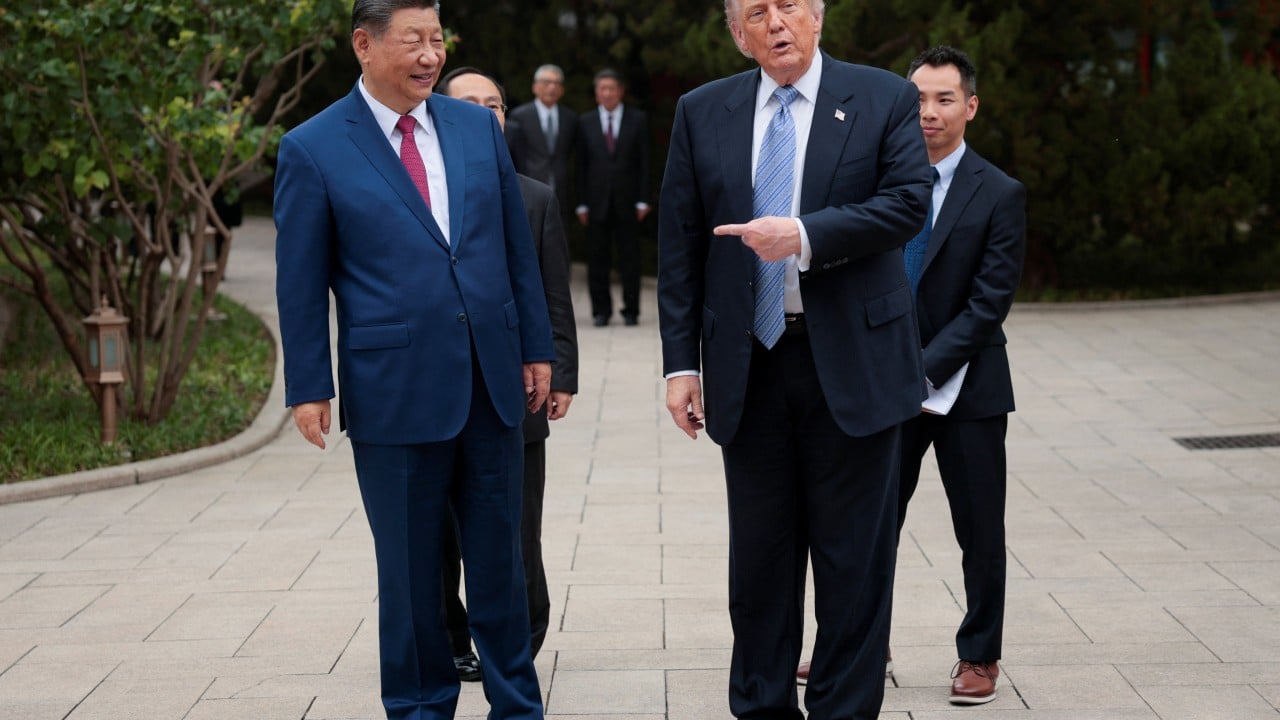
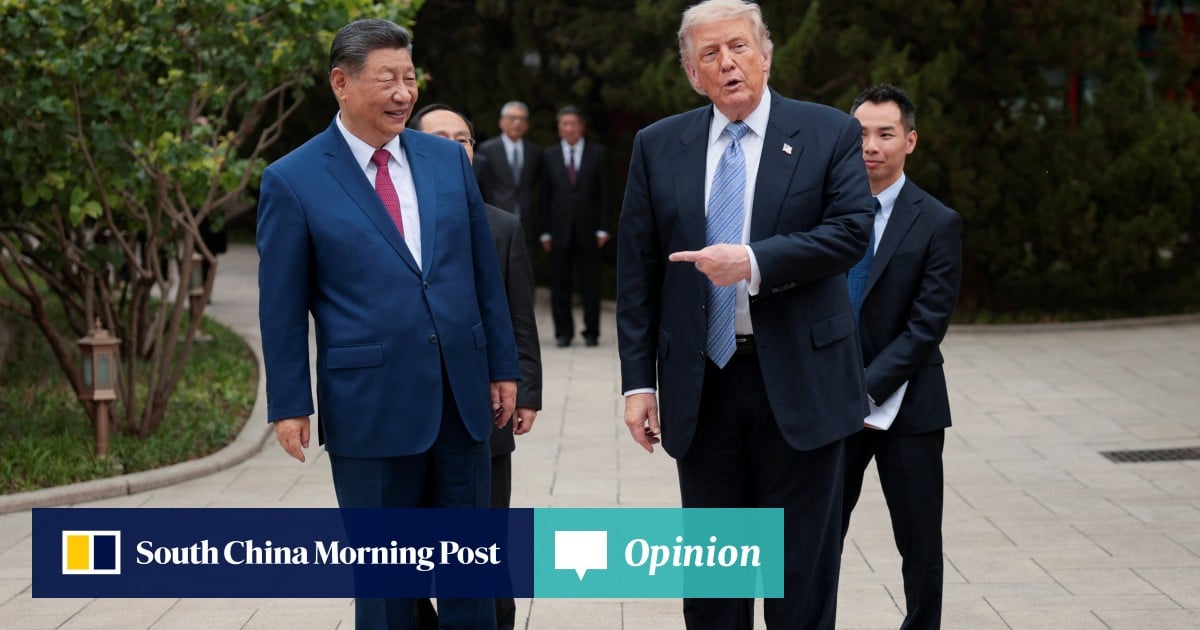
The Xi-Trump summit in Beijing unfolded much more cordially than the tense truce in Busan. In the six months since the leaders met in the South Korean city, America’s bargaining position has weakened considerably from developments both domestic and international. From a reluctant respite in tensions, US-China relations have evolved to what may be the beginning of a reconciliation.
The two great powers interact at three levels. At the bottom is trade and investment; we can expect the terms of the Busan trade truce to be revised as the context evolves. At the top is geopolitical rivalry – with an America drained by the Iran war. In the middle is the most strategic layer, involving technology and critical supply chains, shaping cooperation in the level below and constraining conflict in the level above.
The bottom layer is the easiest to self-maintain. In Beijing, the United States and China agreed to set up separate boards to manage bilateral trade and investment. These boards primarily cover non-sensitive sectors, however, and function well only if there is strategic stability in the top layer.
Trump’s trade war against the world is losing steam. The US Supreme Court and Court of International Trade have ruled that Trump’s tariffs are invalid. Despite the Section 301 trade investigations against China, given the understanding reached at the pre-Beijing talks in Seoul, US tariffs may be capped at levels established in last year’s truce.
Furthermore, the bid to leverage tariffs to narrow US trade deficits and suppress China’s exports has largely failed. Last year, the US goods trade deficit hit a record of US$1.24 trillion while China reported a record trade surplus of US$1.2 trillion. Although the US trade deficit with China shrunk, this has neither helped the US nor hurt China – the US has merely shifted import sources while China diversified its export markets. Even as trade flows are reconfigured, the overall trade balances for US and China hardly budged.
US-China trade deals are contingent on stability at the middle, strategic layer – where technology and critical supply chains constitute mutual chokeholds. The dynamics may be epitomised by two companies: Nvidia and ASML.