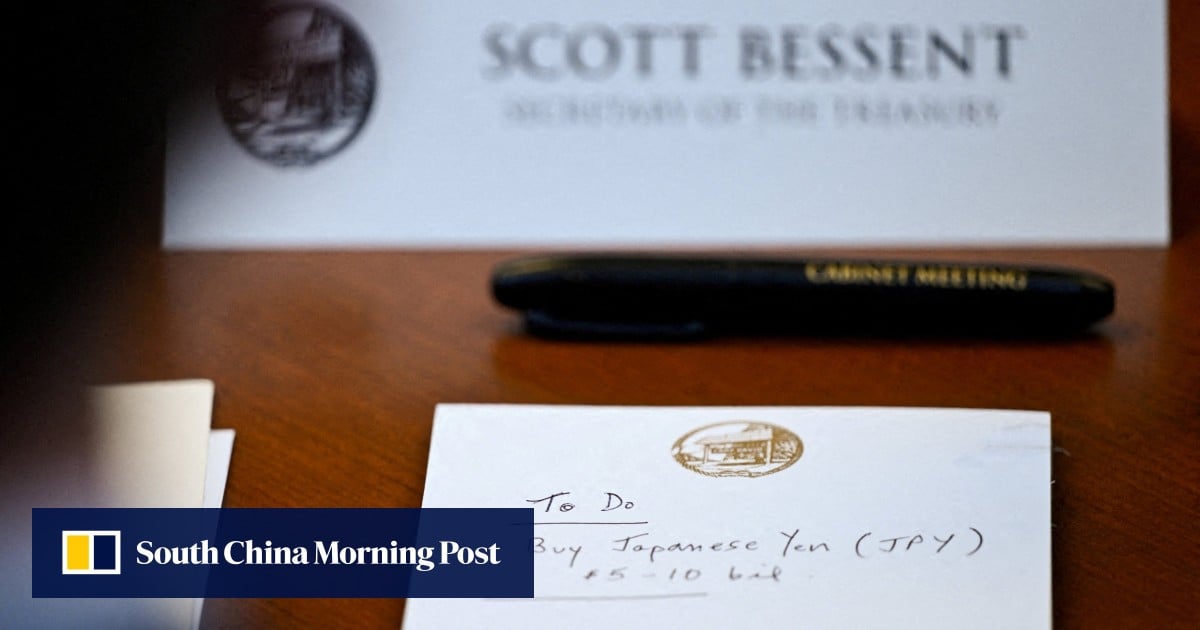
The US has helped pull Japan’s yen out of a 40-year low. Why?
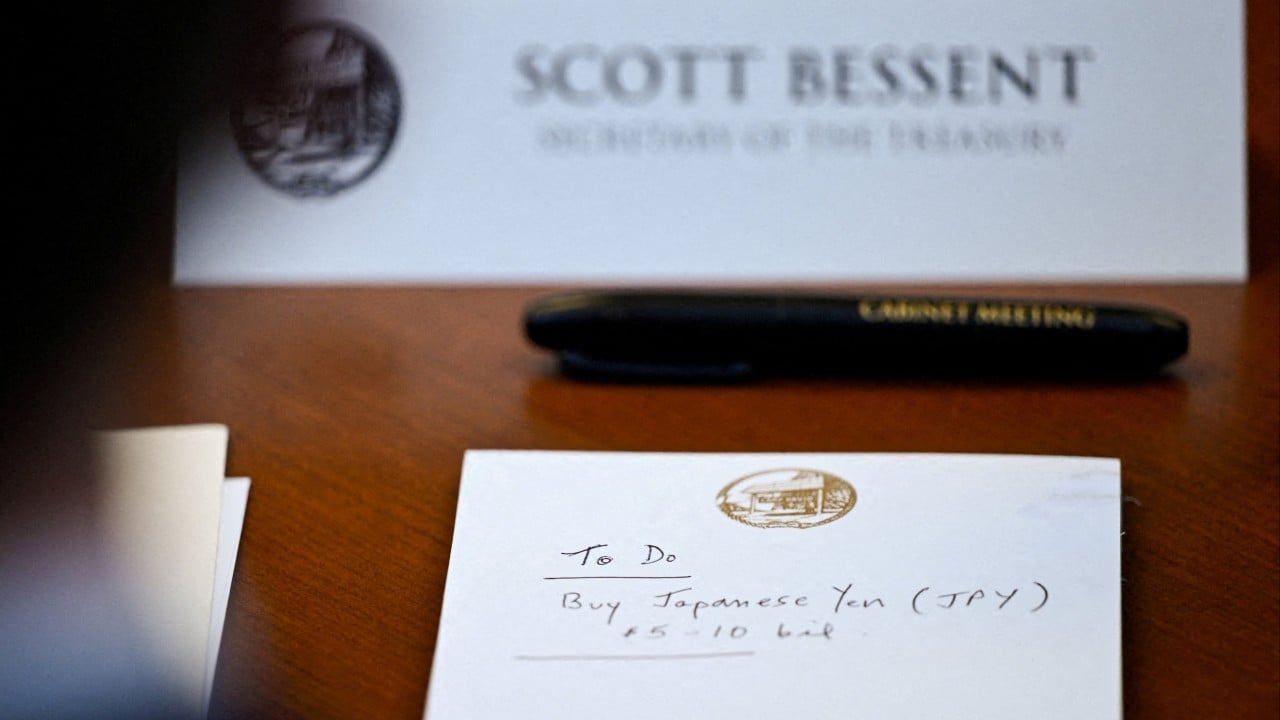
Only days ago, the Japanese yen’s descent showed no signs of stopping, having already dropped to a 40-year low. But by Monday morning – after a rare intervention on the currency’s behalf by Tokyo and Washington – it surged as high as 155.23 per US dollar, its strongest level since early May, according to Chinese financial data provider Wind.
US President Donald Trump called the move “a signal of friendship” in an interview aboard Air Force One on Sunday, noting that the US was “always there for Japan”, while Bessent also said on social media that the US “will not hesitate to participate in further joint intervention”.
This piece breaks down the possible drivers behind this first yen-buying joint intervention since 1998, what to watch for next and its implications for markets in mainland China and Hong Kong.
Why did Japan and the US intervene?
Qian Wei, chief analyst of overseas economy and major asset classes at China Securities, said Japan’s intervention was largely about seizing a favourable window, while the US involvement could be aimed at helping limit selling pressure on US Treasuries.