





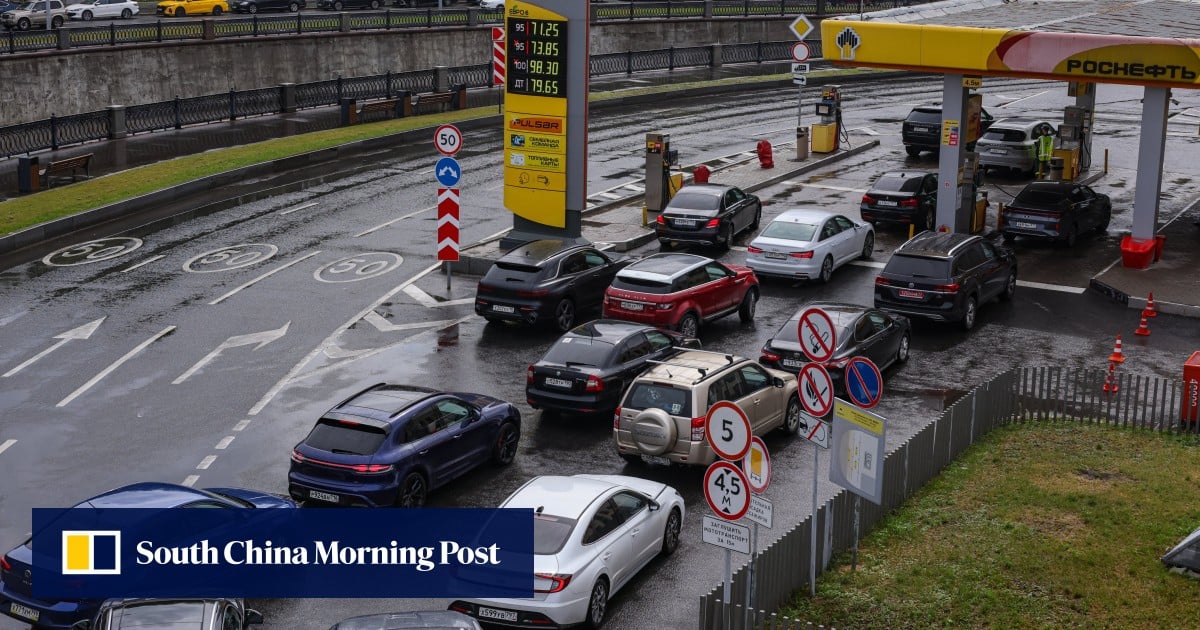
Russia’s diesel export ban deals fresh blow to strained energy market
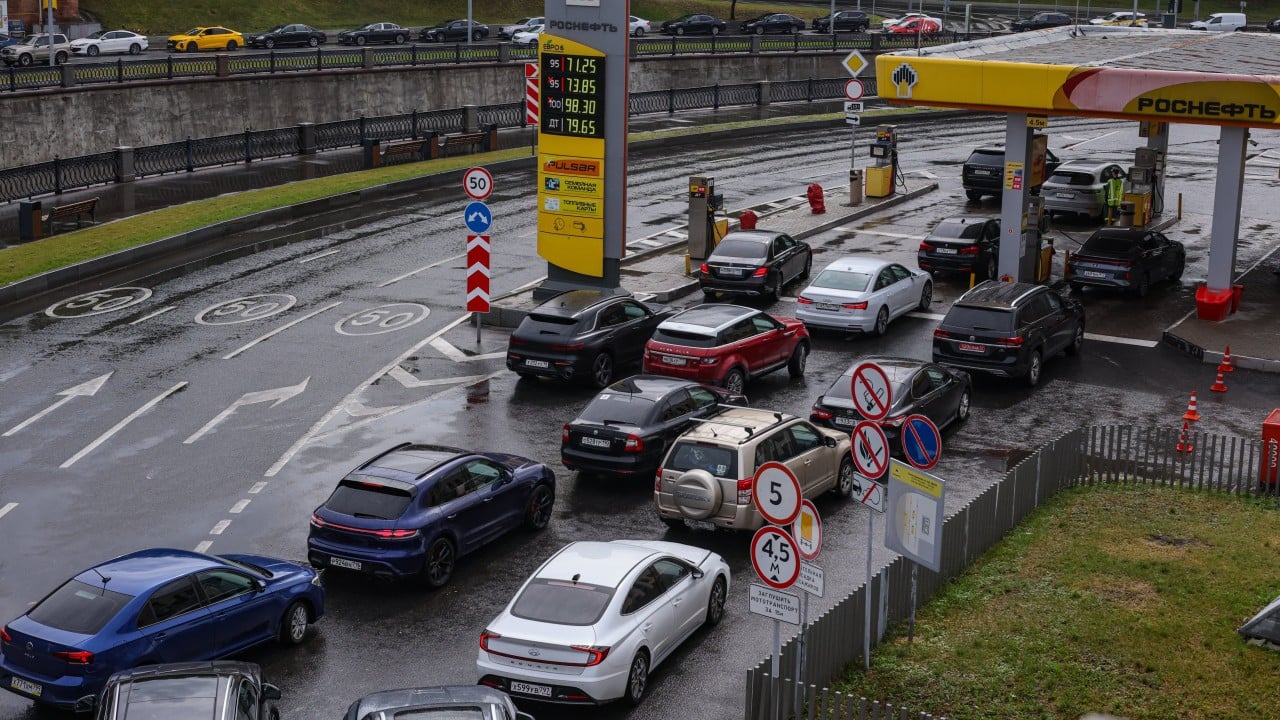
Russia’s decision to ban diesel exports this week has roiled global energy markets, exacerbating shortages of the industrial fuel and sending prices soaring, even in countries that no longer buy the fuel from Moscow.
Diesel accounts for the largest share of global oil consumption and soaring prices can ripple through the global economy given its wide range of uses, from industrial machinery and farm equipment to heavy transport and electricity generation.
Supply has remained tight for years due to strong post-pandemic demand and output reductions that accompanied refinery closures in the West. The Iran war has further strained the market.
Russia is the world’s second-largest diesel exporter after the US and refinery outages there can significantly affect global supplies of fuels. Its exports were already slowing before the ban due to domestic shortages left by Ukrainian drone attacks.
Diesel and gas oil loadings from Russia were just 234,000 barrels per day from July 1 to 10, according to Kpler, down from 400,000 bpd in June and the 2025 average around 817,000 bpd.
Adding to pressure on diesel supply was a fresh wave of US attacks on Iran just hours after Russia announced the export ban on Wednesday, reviving concerns around vessel movements through the Strait of Hormuz and the toll it has taken on Middle Eastern exports.
US government data, also released on Wednesday, showed an inventory draw of more than 4.5 million barrels of diesel last week to 97.8 million as of July 3, or 6 per cent below the five-year average.