Opinion | Why the Philippines walks a delicate balance as Asean chair

Opinion | Why the Philippines walks a delicate balance as Asean chair
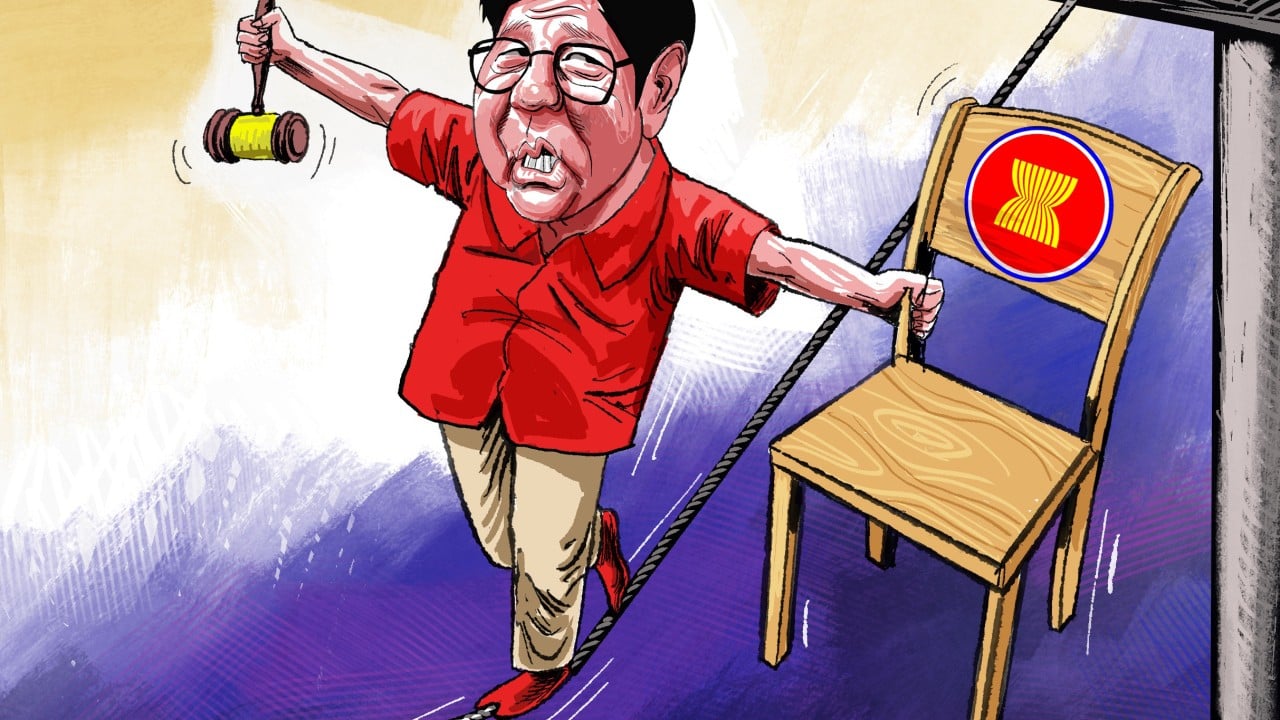


When Philippine President Ferdinand Marcos Jnr accepted the Asean gavel from Malaysian counterpart Anwar Ibrahim in Kuala Lumpur last October, the script was already written: a packed agenda, South China Sea diplomacy in the spotlight and a regional digital economy deal to clinch. Then the world changed.
On February 28, US and Israeli forces struck Iran. The Strait of Hormuz, an artery of global shipping through which 98 per cent of the Philippines’ crude oil imports travel, became a war zone. Fuel prices spiked. Over 2.5 million Filipino workers in the Persian Gulf suddenly found their jobs, safety and the remittances sustaining millions of families back home under threat.
At the 48th Asean Summit in Cebu, Marcos scrapped his original agenda and convened what officials described as a “bare-bones” session focused on oil, food and migrant workers. “We will achieve absolutely nothing until there is peace,” he told reporters.

This is not the chairmanship anyone planned. The Philippines holds the Asean chair at the exact moment multiple crises are converging, and it is structurally exposed to all of them.

Starting with energy, perhaps no country in the Association of Southeast Asian Nations is as nakedly vulnerable to Hormuz disruptions as the Philippines. MUFG Research Portal estimates that every US$10 oil increase cuts Philippine growth by 0.2 percentage points and adds 0.6 percentage points to inflation. With Brent crude having spiked past US$115 at one point, the arithmetic is not comfortable.

Remittances from Philippine workers across the Persian Gulf are a pillar of the economy, supporting consumption and household incomes. Capital Economics warned that a prolonged regional conflict could cut Middle East remittances by 30-35 per cent, threatening one of the country’s most important financial lifelines.

Leave a Reply

Your email address will not be published. Required fields are marked *