Opinion | Philippines’ belligerence towards China out of step with Asean trend
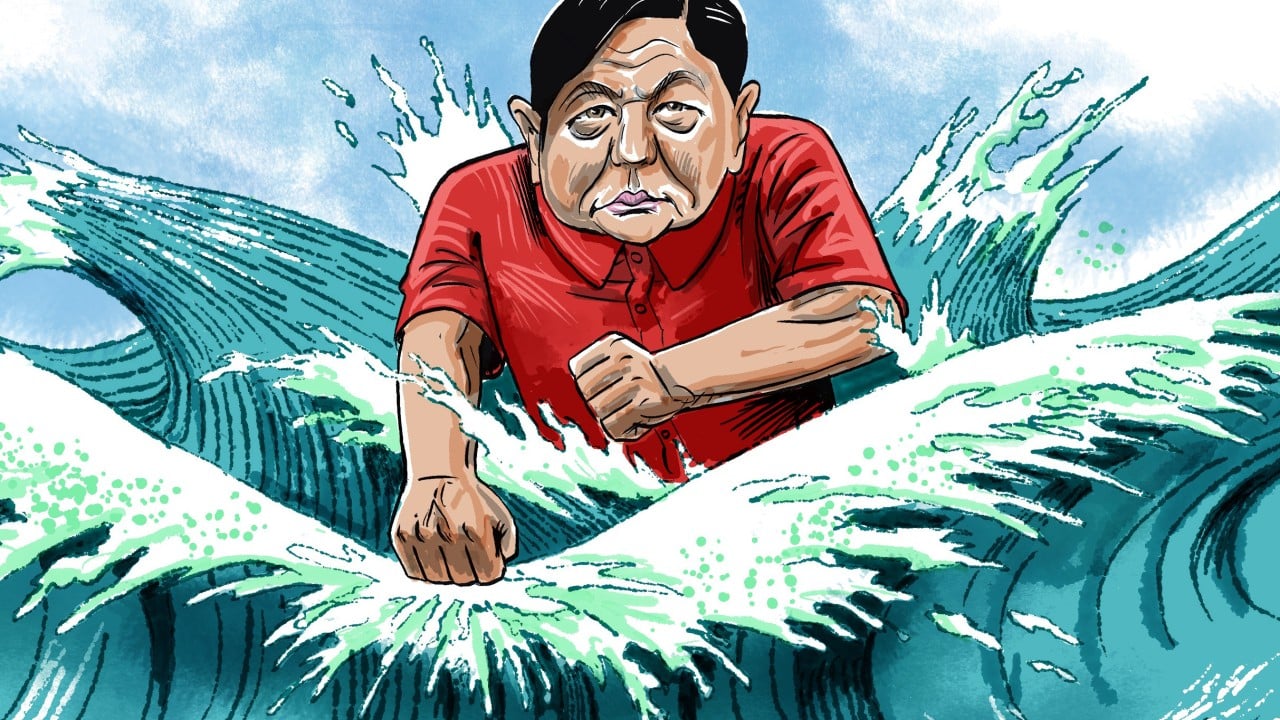
In May, addressing Japan’s National Diet, Philippine President Ferdinand Marcos Jnr announced that Manila would mark the ruling’s 10th anniversary in July, an occasion he said “embodies our determination to resolve disputes through peaceful means”. That is one interpretation. Another deserves equal consideration.
The ruling has long faced credible legal objections, such as that the tribunal exceeded its jurisdiction. China had explicitly excluded maritime delimitation and historic title disputes from compulsory arbitration through its 2006 declaration under Article 298 of the UN Convention on the Law of the Sea (Unclos). Whether the tribunal was right to override that objection remains a matter of genuine legal debate.
However, the outcome is less debatable. A decade on, the ruling has not resolved the underlying disputes. Maritime incidents have continued, military deployments have expanded and the ruling itself has become a point of enduring contention rather than a foundation for mutual understanding.
The Hainan Free Trade Port, for example, is being developed as a “strategic hub” for a China-Asean blue economy common market, leveraging its policy advantages to boost trade and marine tourism. Economic pragmatism has transformed Asean into China’s largest trading partner for five consecutive years, creating an increasingly interconnected and interdependent regional economy.