




Opinion | China won’t waste its reserves to cushion oil price impact of Iran war
Oil prices are set to rise once more as renewed US attacks on Iran leave the Strait of Hormuz, a major artery of oil trade, closed again. With US strategic petroleum reserves at their lowest in over 40 years, America will have trouble keeping oil prices below US$100 a barrel, as it has mostly done in the war so far.
Analysts warn that sustained oil prices above US$100 risk accelerating inflation, depressing consumption and inviting recession. They have also turned their attention to China and its ability to cushion oil prices.
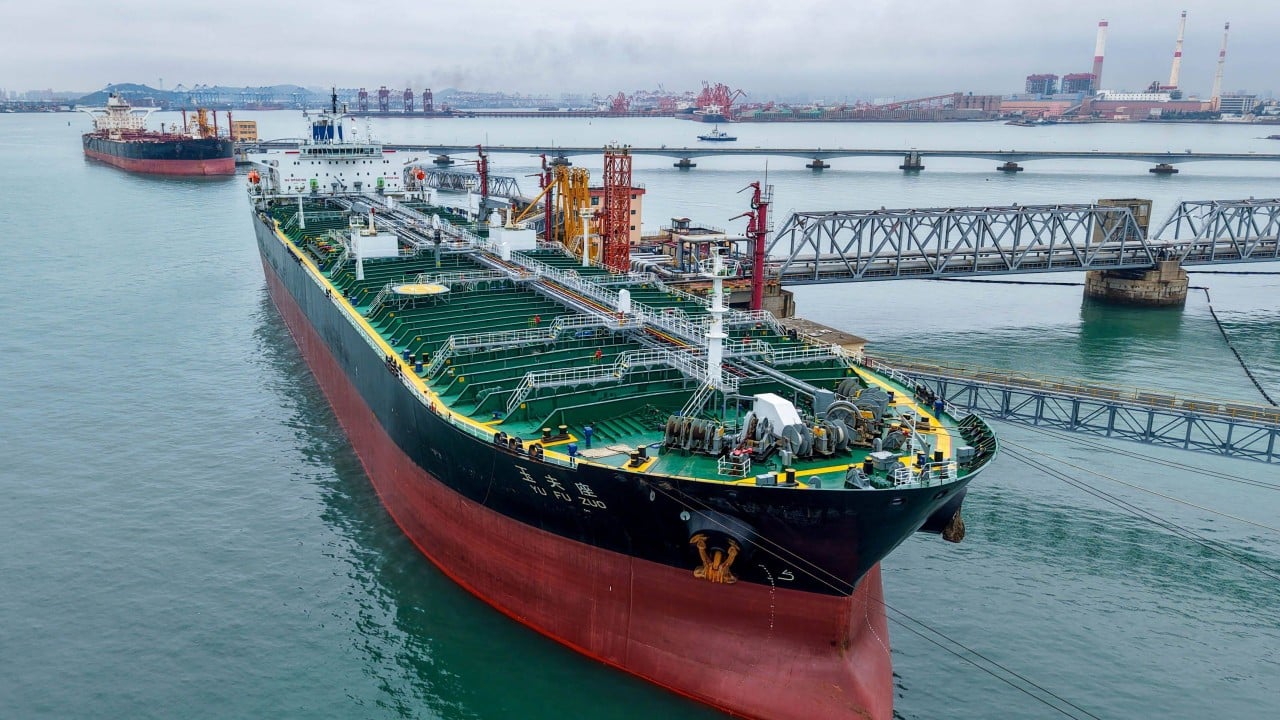
China is the world’s largest oil buyer and its strategic petroleum reserves – which are not publicly declared, unlike America’s – are thought to be among the world’s largest. Since April, China has been cutting imports by 3.5 million barrels a day, helping to keep a lid on prices.
But recent talk of Beijing withdrawing the “safety net” or “cushion” for oil prices appears to be laying the groundwork for blaming China when prices rise – which they are likely to do.
China is unlikely to run down its petroleum reserves to keep oil prices low when this could now prolong the war and the interruption to global energy supplies. The worst-case scenario is a multi-year disruption of oil flowing through the Strait of Hormuz and the Bab al-Mandab Strait. Don’t hold your breath for China cutting oil imports further.
No war the United States launched on the Middle East has ever been short – the current one is unlikely to be the exception.