





As EU’s China trade deficit widens, Germany changes tack to join France’s Beijing pushback
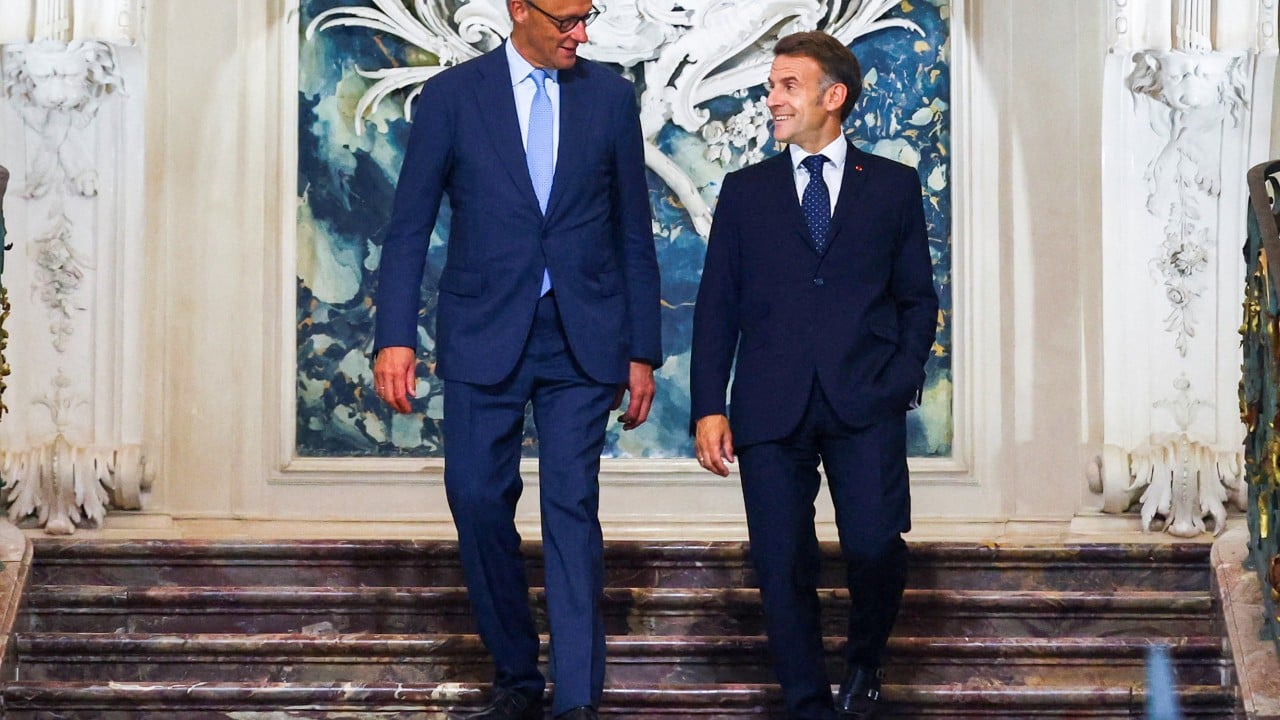
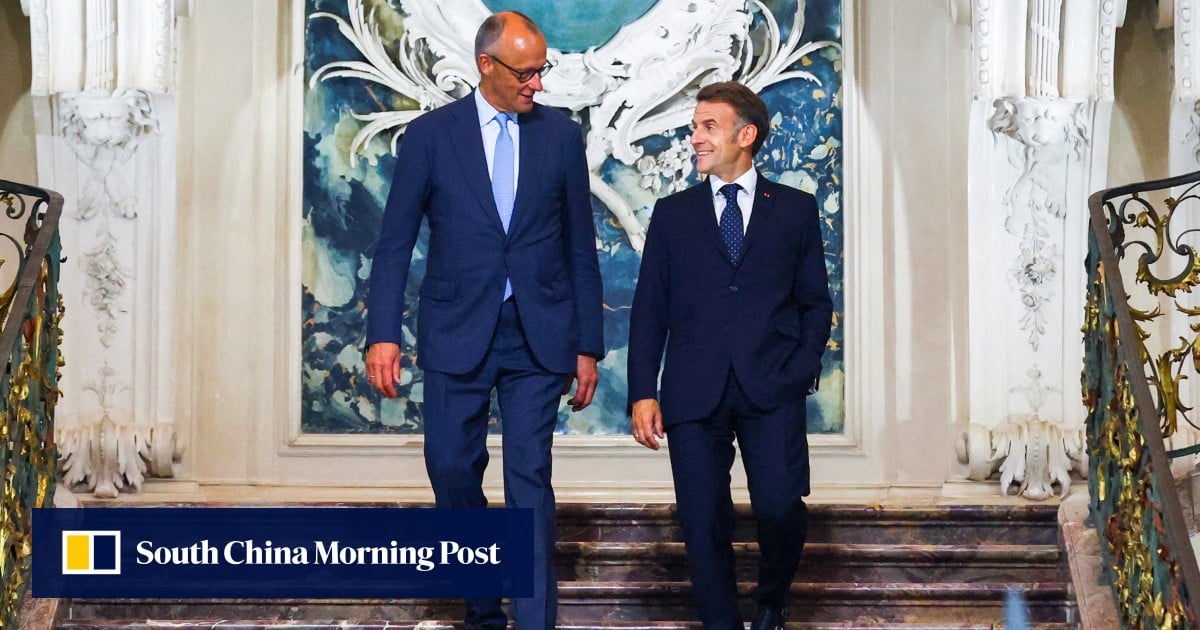
Facing Europe’s ever-widening trade deficit with Beijing, Berlin is increasingly singing the same tune as Paris. The two nations displayed a united front at this year’s Franco-German Ministerial Council, which will soon be put on paper in a joint road map due by September at the request of Germany.
“Our work between Germany and France is indispensable at a time when Russia threatens our security, when the People’s Republic of China challenges our economy, and when the transatlantic partnership has lost its self-evident character,” German Chancellor Friedrich Merz told journalists after the meeting on Friday.
His language was milder than that of French President Emmanuel Macron – who denounced China’s “great trade aggressiveness” – but the direction of travel was impossible to miss: a German chancellor, side by side with the French president, ranking China’s threat to Europe’s economy alongside Russia’s war in Ukraine and the waning alliance with the US.
The EU’s top two economies jointly called for swift and systematic use of the bloc’s existing tools while they pledged to press Brussels “to promptly submit concrete proposals on how to strengthen our trade defence toolbox, industrial policy as well as economic security”, according to the joint statement.
“We had a very good discussion; I think we had never been so convergent on the question of China,” Macron said during the press conference.
Macron insisted that neither France nor Germany were anti-China. But the numbers, he stressed, speak for themselves: every day, Europe adds €1 billion (US$1.14 billion) to its trade deficit with China and loses thousands of jobs.