






Opinion | Philippines’ bet on shaky investment pledges from the US risks China’s ire
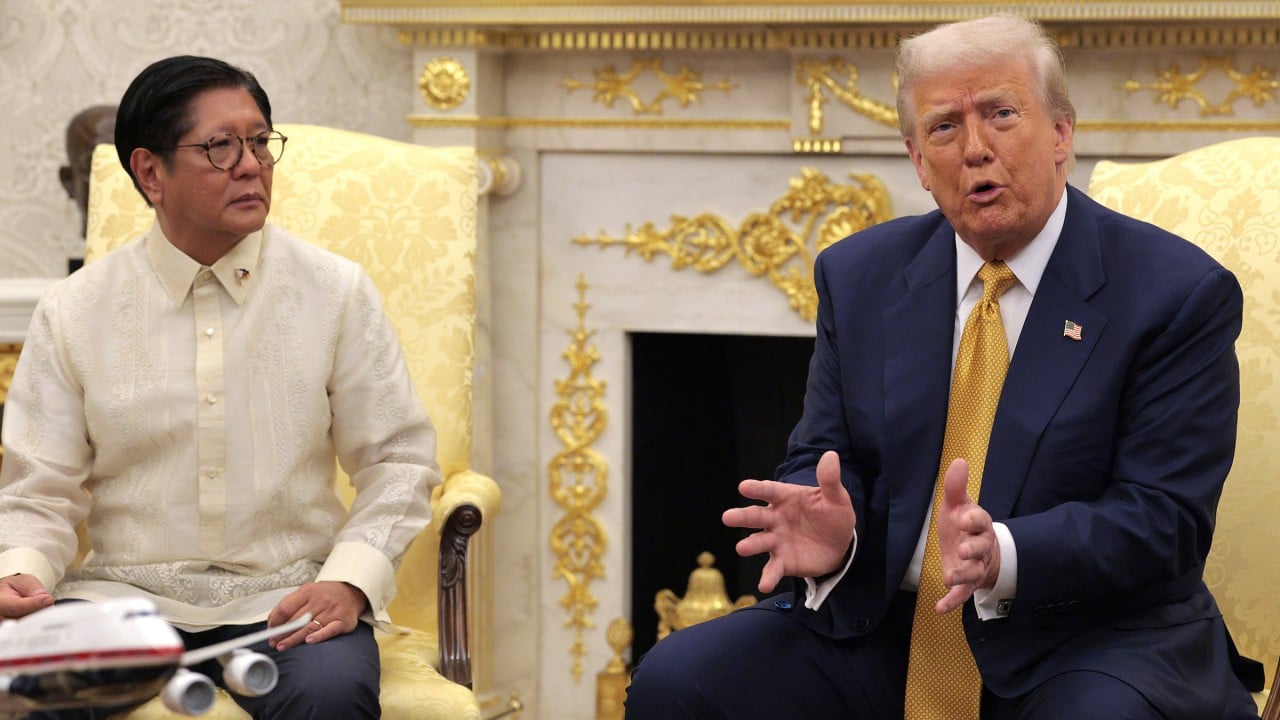
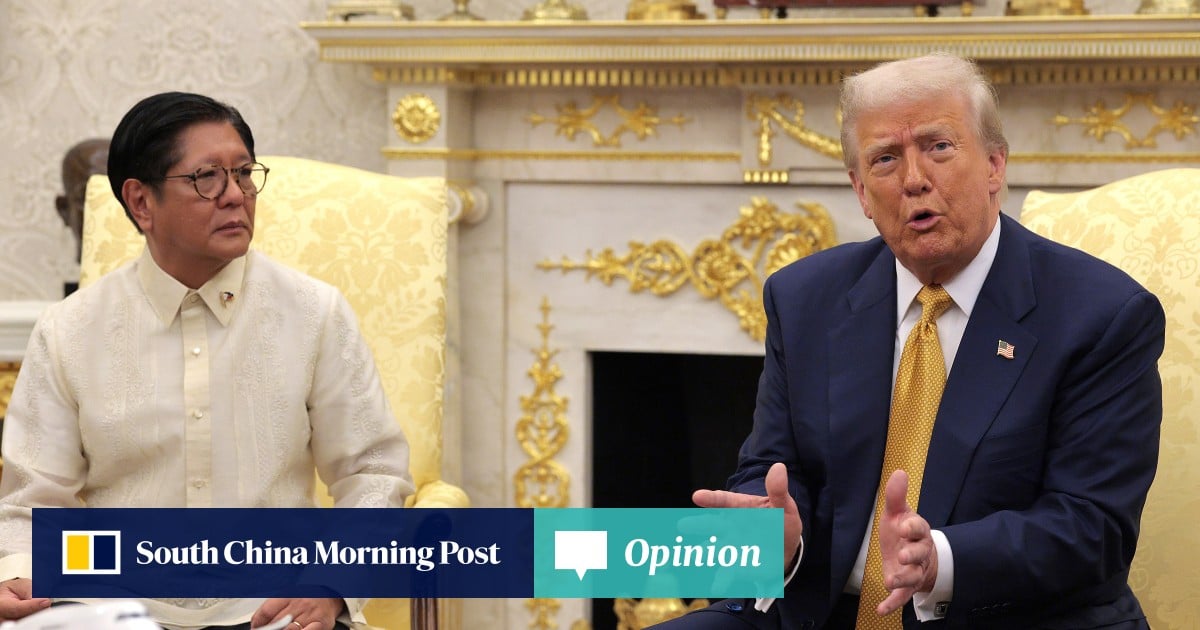
“You have absolutely no idea of what you’re talking about. The whole point of Pax Silica is to partner with countries who are good at doing different things because everyone wins from a secure supply chain,” wrote US Undersecretary of State for Economic Affairs Jacob Helberg on a social media website in response to an online critic of the US strategic initiative with the Philippines.
The spirited exchange came after Manila’s reported rejection of a request to extend diplomatic immunity to US personnel overseeing a planned 4,000-acre industrial hub in the Philippines. Under Pax Silica, the Philippines is to emerge as a critical node of a US-led global supply chain, with a focus on cutting-edge industries such as semiconductors and artificial intelligence (AI).
Helberg, having recently visited Southeast Asian capitals including Manila to push Pax Silica, rejects any report of a diplomatic immunity request as “patently untrue”. The episode highlights both Pax Silica’s sensitivities and geopolitical relevance. The initiative is supposed to complement America’s expanding military footprint in Asia, especially in the Philippines.
By leveraging access to Manila and with an eye on China, the Trump administration aims to both enhance military interoperability with regional allies via massive drills, such as the Balikatan exercises, and to strengthen economic interdependence with key Asian economies.
America has long undergirded the region’s security architecture by establishing naval dominance across the Indo-Pacific and serving as a primary source of capital and investment. But in recent years, as China began to reclaim its position as Asia’s dominant power, American leaders have struggled to offer a constructive counterstrategy.
In his first term, US President Donald Trump torpedoed Washington’s sole effort at countering China’s economic rise in Asia by withdrawing his country from the Trans-Pacific Partnership. He went on to alienate allies with massive tariffs that disrupted transpacific trade linkages. Thanks to a bipartisan protectionist turn in America, the avowedly multilateralist Biden administration struggled to get even a modest digital trade agreement off the ground.