





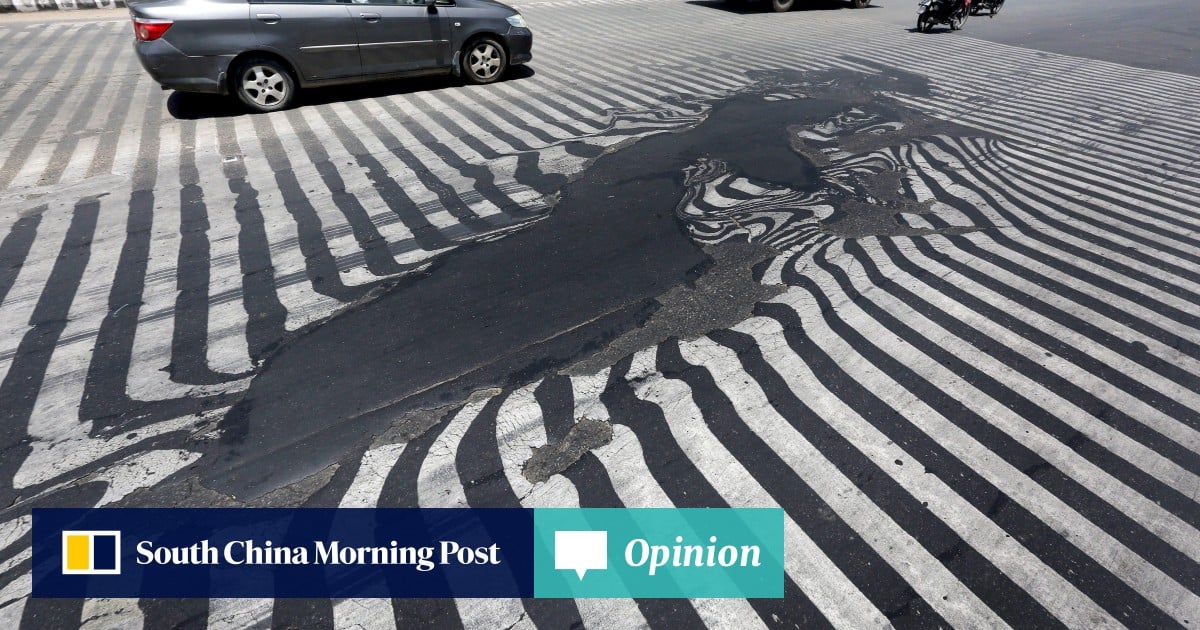
Macroscope | Who pays when overheated roads melt and rails buckle?
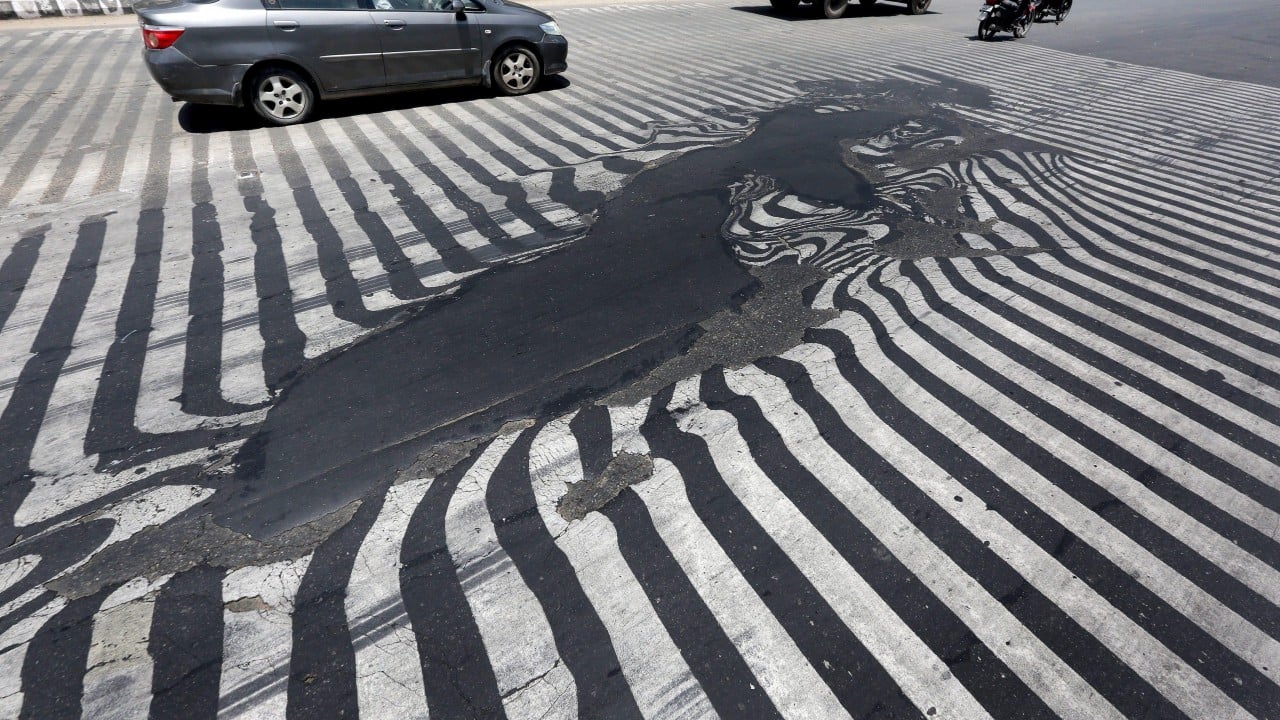
Heatwaves come and go, and while this is happening with increasing frequency and intensity – as this year’s record-breaking temperatures show – they slip from attention once things cool off. What does not disappear is the lasting and costly damage they do to the basic infrastructure we rely on in our daily lives.
Ultra-hot days and nights can result in the deaths of many people (those who cannot afford air conditioning especially) and they ignite forest infernos of terrifying intensity. Some of these make the news but what does not usually make headlines is the damage to roads, railways, bridges and other infrastructure.
Yet the cost is there, mounting more rapidly as each sweltering summer arrives – and it will have to be paid for by current and future generations. It is a cost that could eventually run into trillions of dollars.
Human-activity-induced climate change in general, and its manifestation in the form of stifling heat in particular, has been overshadowed by renewed wars in the Middle East and Ukraine, but the consequences mount with each fractional rise in summer temperatures and they cannot be ignored.
Some are taking notice. On July 15, Reuters reported on Europe’s race to protect infrastructure from heat as “railways buckle under record heat, roads melt and power grids strain”. A recently published book, Climate Change Effects on Infrastructure, examines how facilities are operating outside or at the limit of tolerance levels because they were built on assumptions that did not include climate change or extreme weather.
The problem is not, of course, confined to the European continent, and it is hardly a new one. As a report by the UN Economic and Social Commission for Asia and the Pacific (ESCAP) noted back in 2023, “Infrastructure financing and climate change are the most pressing issues facing Asia and the Pacific today.”