




Opinion | China’s weaving of a web of ties makes it a diplomatic superpower
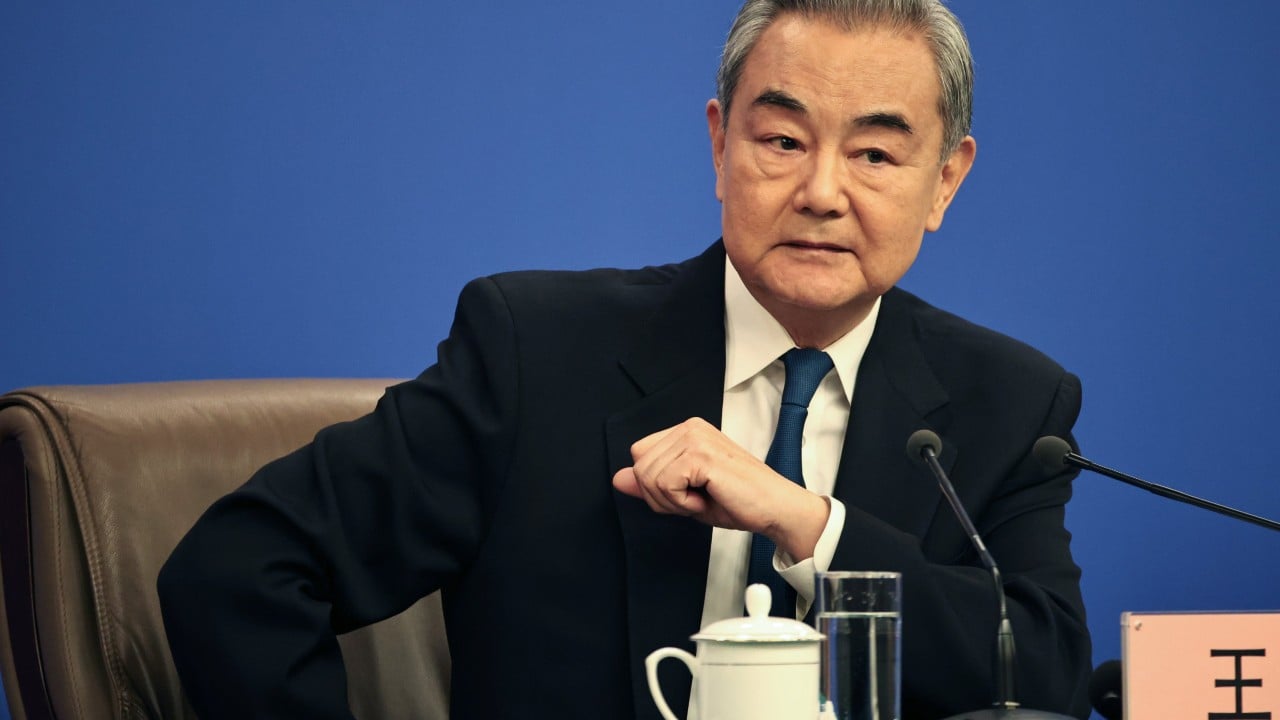
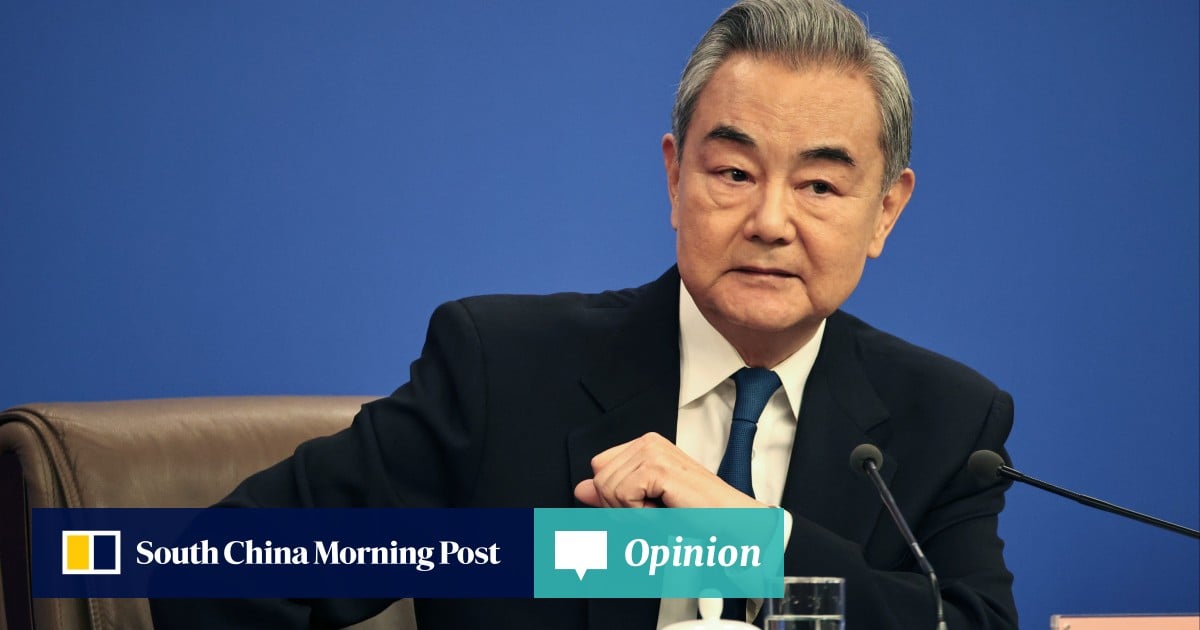
The clearest articulation of China’s foreign policy ethos comes from academic Qin Yaqing, a former president of China Foreign Affairs University, which has trained more than 600 Chinese ambassadors, the alma mater of Foreign Minister Wang Yi often called the “cradle of Chinese diplomacy”.
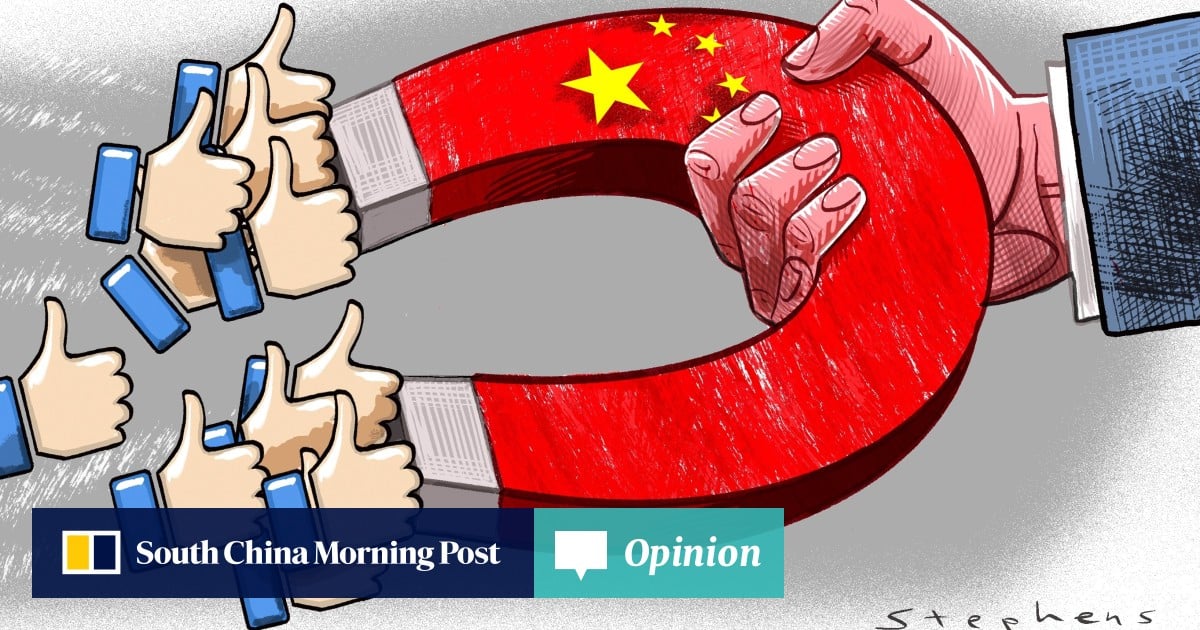
Qin’s relational theory of world politics organises Chinese foreign policy around the notion of guanxi, a web of relations rooted in Confucian thought and woven through everyday Chinese social life.
Imagine dropping a stone into water, causing ripples to spread outward in circles. Every state sits at the centre of its circles, with the innermost ring holding the closest partners. States drift inwards or outwards as ties strengthen or fray, but they stay inside the network. For Beijing, rapprochement is always possible because in this framework, no relationship is past repair.
International relations schools of thought in the West often treat states as fixed units with interests defined before any interstate interaction. Beijing treats them as something looser: states are “actors-in-relations” whose identities and preferences emerge from the ties that connect them. Cooperation does not follow from pre-existing interests; it is what shapes relations. This relational web is becoming increasingly visible, showing China’s diplomatic malleability and prowess.
Order, for China, is less a structure imposed by stronger states than a process remade by actors inside the web. What binds states are relationships, not the rules that frame them. Relations bind more deeply than contracts because they create reciprocal investment rather than external obligation. A state inside the web has something to lose by exiting the relationship and something to gain by deepening it.