Opinion | Whatever Trump claims, weaponisation of space makes losers of us all
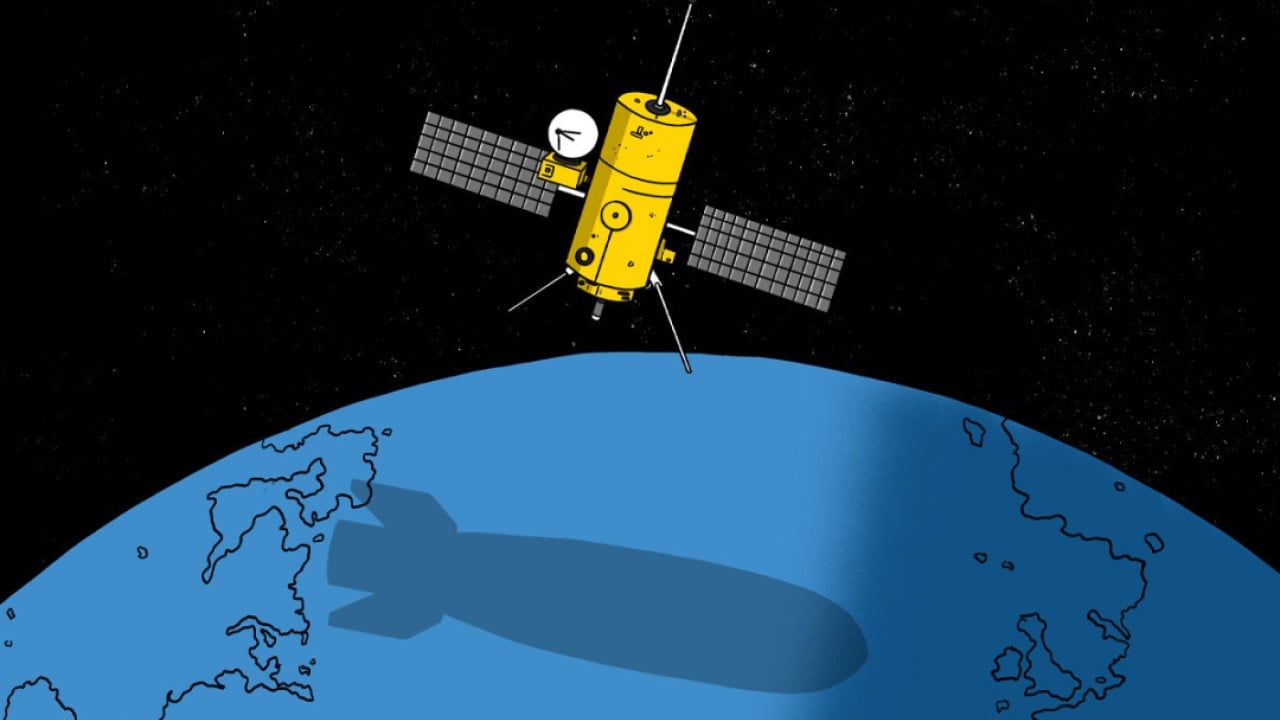
When the US Space Force announced on September 14 that “the US has on-orbit space control weapons capable of defending the Joint Force against hostile adversary action”, I thought of Isaac Newton’s well-known declaration that he could not calculate the madness of people.
This is the first time a country has admitted to deploying weapons in space. Today, the orbits are congested and contested with many nations conducting military activities, such as surveillance and reconnaissance, early missile warning, satellite communications and navigation. While the United States stands alone with an independent Space Force as a full separate service, many other states such as China, Russia, Britain, France and Japan have built dedicated space combat organisations.
However, none of them has publicly acknowledged deploying on-orbit space weapons, unwilling to face the global backlash against turning outer space into a battlefield. The 1967 Outer Space Treaty already bans nuclear weapons in space. Deploying any other weapon will also draw widespread international criticism.